
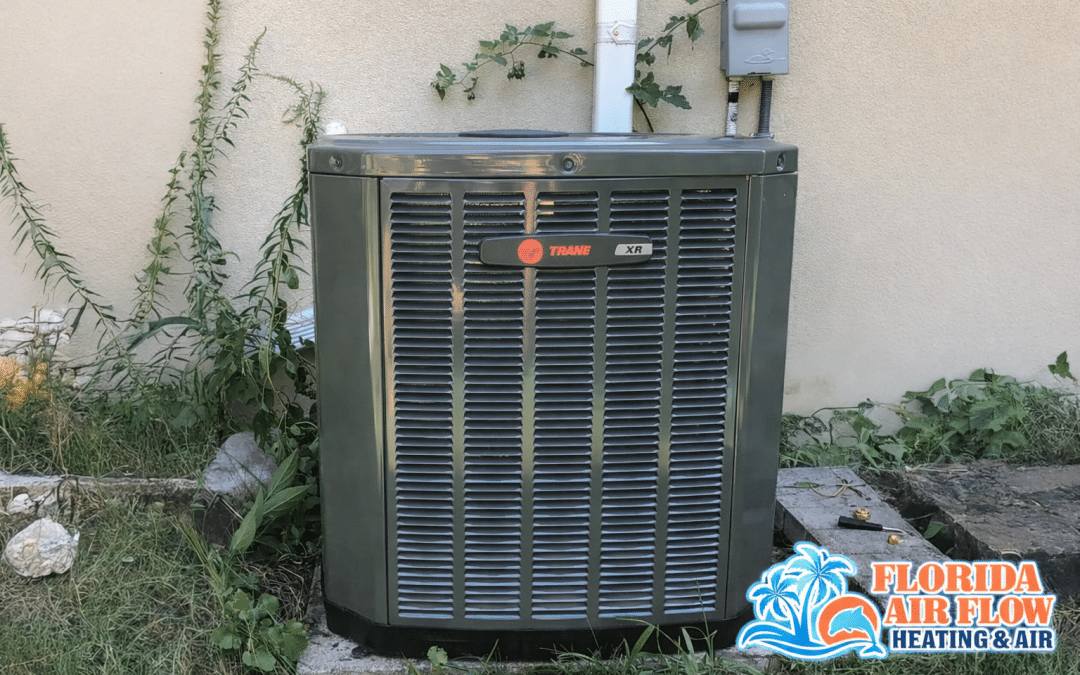
Which AC lasts longest in Florida’s salt air? If you live near Jacksonville’s coast, this question matters more than you think. Salt in the ocean breeze can cut your AC’s life in half without the right protection.
Coastal living comes with hidden costs. Your air conditioner fights a constant battle against corrosion from salty air. Therefore, choosing the right brand makes a huge difference in how long your system survives.
Why Salt Air Destroys Air Conditioners in Florida
Salt particles from the ocean settle on your AC’s metal parts. These tiny particles attract moisture and create rust. In fact, metals in coastal areas corrode up to ten times faster than inland locations.
Your condenser coils take the hardest hit. Salt builds up between the copper tubes and aluminum fins. This causes two major problems right away.
First, the salt blocks proper airflow through your system. Second, it speeds up corrosion that leads to refrigerant leaks. Moreover, your AC works harder and uses more electricity trying to cool your home.
Most standard AC units last 10-15 years inland. However, coastal units without protection often fail within 5-7 years. This means you could replace your system twice as often just because of salt damage.
Salt air doesn’t just damage your outdoor unit. It also pushes more allergens and particles into your home. Pairing the right AC system with the best air purifier for Jacksonville’s allergies keeps your indoor air clean while your unit fights off coastal corrosion.
How Trane Handles Florida’s Salty Coastal Air
Trane builds their outdoor units with a unique Spine Fin coil design. This design resists corrosion better than traditional coils. Additionally, their WeatherGuard cabinet protects internal components from salt spray.
Independent testing shows Trane coils hold up well in salt environments. Their all-aluminum construction prevents the galvanic corrosion that happens when copper and aluminum touch. As a result, Trane systems often outlast competitors in coastal areas.
Trane also offers a 10-year limited warranty on many models. Their compressors come with strong protection too. Furthermore, local HVAC companies frequently recommend Trane for beach homes and waterfront properties.
The downside? Trane systems cost more upfront than other brands. But that extra cost often pays off through longer system life and fewer repairs in salty conditions.
Carrier’s Coastal Protection Technology
Carrier recently upgraded their coastal models with welded aluminum coil technology. Before 2023, they used copper tubes with aluminum fins. Now, their coastal units use all-aluminum construction with zinc cladding.
This change makes a big difference for Florida homeowners. The zinc coating adds an extra layer of protection against salt corrosion. In addition, Carrier applies heat shrink wrap to all brazed joints.
Carrier’s salt spray testing is impressive. Their coils showed no fin degradation after seven years of continuous testing. Consequently, they project an 81% better lifespan compared to copper coil systems.
Carrier offers two coastal tiers for Florida customers. The Performance Series provides up to 18.0 SEER2 efficiency with two-stage cooling. The Comfort Series offers single-stage operation at up to 16.5 SEER2.
Both series include their WeatherArmor Ultra cabinet for extra protection. This cabinet design shields components from harsh coastal weather and flying debris during storms.
Lennox Solutions for Salt Air Environments
Lennox doesn’t market specific “coastal” models like Carrier. Instead, they focus on corrosion-resistant materials across their entire product line. Their Quantum coil design uses heavy-gauge aluminum that resists rust.
Lennox applies their exclusive Quantum coating to all coils. This coating creates a barrier between salt particles and metal surfaces. Therefore, their systems perform well in many coastal installations.
The SunSource system from Lennox adds solar power capability. This feature helps offset the higher energy costs that come with running AC in humid, salty conditions. Similarly, their iComfort thermostats optimize efficiency based on coastal weather patterns.
Lennox systems typically fall in the mid-to-upper price range. They offer strong warranties and energy efficiency ratings. However, they may not match the specialized coastal engineering of Carrier’s newest models.
What About Ruud and Rheem for Salt Air?
Ruud and Rheem share the same parent company and coil technology. Both offer coastal options with corrosion-resistant coil coatings. Their composite base pans resist rust better than older all-metal designs. Many homeowners pick Ruud for solid salt protection at a mid-range price. Ask your installer whether a Ruud coastal package fits your home and location.
Which AC Brand Lasts Longest in Florida’s Coastal Areas
Real-world results matter more than marketing claims. Several factors determine which AC lasts longest in your specific location. Distance from the ocean makes a huge difference.
Homes within one mile of the beach face the harshest salt exposure. Properties 2-5 miles inland deal with moderate salt air. Areas further than 5 miles see less coastal impact but still need protection.
Based on independent testing and field performance, here’s how these brands compare:
- Trane: Excellent track record in severe coastal conditions. Their Spine Fin design and all-aluminum construction stand up to constant salt exposure. Best choice for beachfront properties.
- Carrier: Superior coastal-specific technology with welded aluminum coils and zinc cladding. Their recent upgrades make them the top choice for new installations near water. Backed by impressive salt spray testing.
- Lennox: Solid all-around performer with good corrosion resistance. Works well for homes 2-5 miles from the coast. May need extra maintenance for closer proximity to salt water.
Professional installation matters just as much as brand choice. Your HVAC contractor should place your outdoor unit away from direct ocean winds. Natural barriers like fences or landscaping help reduce salt exposure too.
Protecting Your AC Investment in Salt Air
Even the best AC brands need regular maintenance in coastal Florida. Monthly rinsing with fresh water removes salt buildup from coils and fins. This simple step can add years to your system’s life.
Schedule professional AC maintenance every six months instead of yearly. Coastal systems work harder and need more frequent inspections. A seasonal HVAC tune-up catches small corrosion issues before they become expensive repairs.
Consider adding a protective coating to your condenser coils. Special anti-corrosion treatments create an extra barrier against salt damage. These coatings typically last 2-3 years before needing reapplication.
Keep your outdoor unit elevated if possible. This protects it from salt spray during storms and high winds. Also, make sure drainage systems work properly so moisture doesn’t pool around your AC.
Upgrade your air filter to a higher MERV rating. Salt-resistant air conditioners benefit from cleaner airflow that reduces internal corrosion. Change filters more frequently in coastal homes than the standard 90-day schedule.
Cost Comparison for Coastal AC Systems
Trane systems typically cost $4,500-$8,000 for a complete installation. Their premium construction justifies the higher price tag. Moreover, you’ll save money on repairs and replacements over time.
Carrier coastal models range from $4,000-$7,500 depending on efficiency ratings. Their Performance Series costs more than the Comfort Series. Still, both offer better value than replacing a standard unit every 5-7 years.
Lennox installations generally run $3,800-$7,000 for comparable models. Their middle-ground pricing makes them attractive for budget-conscious homeowners. However, factor in potential maintenance costs for coastal conditions.
Don’t forget about operating costs. More efficient systems cost less to run each month. In Florida’s hot climate, a 2-3 SEER2 difference can save you $200-400 annually on electricity bills.
Calculate total cost of ownership over 15 years, not just the initial installation price. A cheaper system that fails in 6 years costs more than a premium system that lasts 15 years with proper care.
Making the Right Choice for Your Jacksonville Home
Your distance from the ocean should guide your decision. Beachfront homes need maximum protection from brands like Trane or Carrier’s coastal models. Inland properties can choose based on efficiency and features. Cooling one tough spot, like a garage, lanai, or add-on room? A ductless mini split in Jacksonville handles it without new ductwork.
Think about your long-term plans too. If you’ll stay in your home for 10+ years, invest in the best coastal protection available. Consequently, you’ll avoid the hassle and expense of early replacement.
Work with an experienced local HVAC company that understands coastal challenges. They can recommend the right system size and placement for your property. Furthermore, they’ll know which brands perform best in your specific neighborhood.
Ask about extended warranties and maintenance plans. Many HVAC companies offer packages that include regular service and priority repairs. These programs help protect your investment in harsh coastal conditions.
Frequently Asked Questions
What is the best AC unit for salt air?
Trane, Carrier, and Ruud lead for salt air. They use all-aluminum or coated coils that resist coastal corrosion. Trane suits beachfront homes best.
Which AC brand lasts longest near the ocean in Florida?
Trane often lasts longest at beachfront homes. Its Spine Fin coils and all-aluminum build resist salt corrosion. Smart placement and rinsing extend any brand’s life.
How long do AC units last in coastal Florida?
Inland units last 10 to 15 years. Unprotected coastal units often fail within 5 to 7 years. Corrosion-resistant coils and regular rinsing help them last longer.
How do I protect my AC from salt air damage?
Rinse the coils monthly with fresh water. Schedule professional maintenance every six months. Keep the unit elevated and shielded from direct ocean wind.
Get Expert AC Advice for Your Coastal Home
Choosing the right AC for Florida’s salt air doesn’t have to be confusing. The experts at Florida Air Flow understand the unique challenges of Jacksonville’s coastal climate. We’ve helped hundreds of homeowners select systems that last longer and perform better near the ocean.
Our certified technicians can inspect your property and recommend the best brand for your specific location. We install Trane, Carrier, and Lennox systems with proper coastal protection measures. Plus, we offer maintenance plans designed specifically for salt air environments.
Don’t wait until your current system fails in the middle of summer. Contact Florida Air Flow today for a free consultation and quote on a new coastal-ready AC system. We’ll help you make the smart choice that protects your home and your wallet for years to come.