
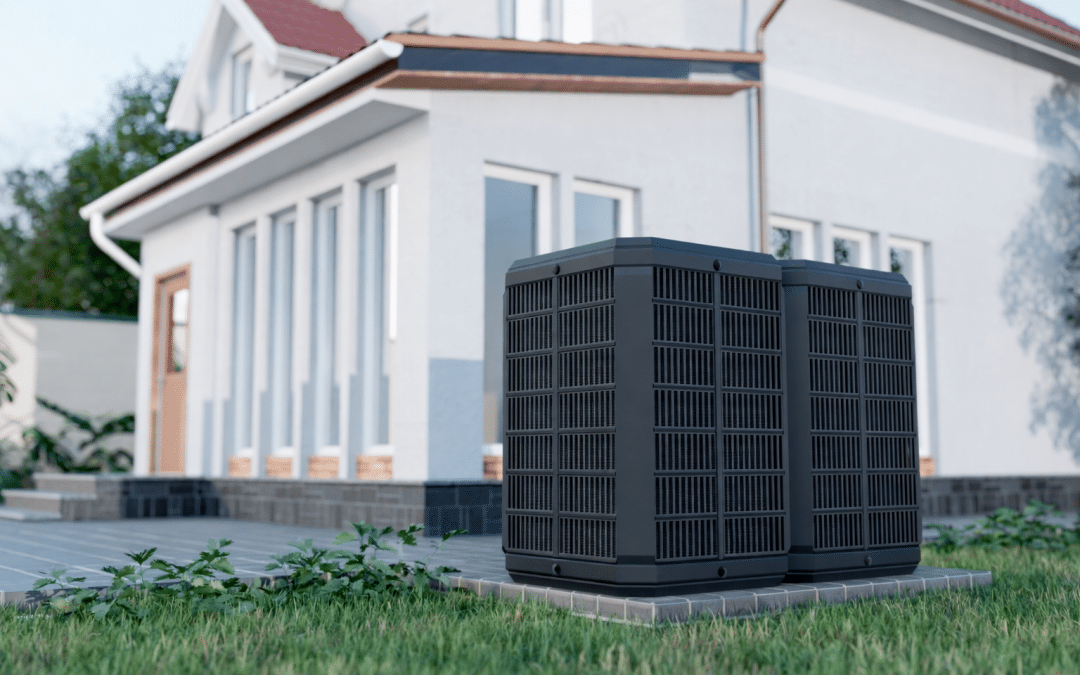
The life expectancy of an HVAC unit in Florida is typically 10 to 15 years, which is shorter than the national average of 15 to 20 years. Florida’s extreme heat, constant humidity, and year-round use put extra strain on air conditioning systems, causing them to wear out faster than units in milder climates. Understanding how long your system will last helps you plan for maintenance costs and avoid unexpected breakdowns during Jacksonville’s hottest months.
Let’s explore why Florida HVAC systems don’t last as long, what factors affect their lifespan, and how you can maximize the years you get from your investment.
Why the Life Expectancy of an HVAC Unit in Florida is Shorter
Florida’s climate is uniquely challenging for HVAC systems. While homeowners in northern states might use their AC for just 3-4 months per year, Jacksonville residents run their systems nearly year-round. This constant operation dramatically increases wear and tear on all components.
The combination of heat and humidity forces your system to work harder than it would in drier climates. High humidity makes the air feel hotter, so homeowners lower their thermostats more. Additionally, humid air requires more energy to cool, putting extra stress on your compressor and other parts.
Salt air near Jacksonville’s coast accelerates corrosion on outdoor units. Metal components rust faster, electrical connections deteriorate, and fan blades weaken over time. Even homes just a few miles from the ocean experience these effects, though coastal properties see the most damage.
What Types of HVAC Systems Last Longest in Florida?
Different types of HVAC systems have varying lifespans in Florida’s climate. Central air conditioners in Florida last 10 to 15 years on average. Units closer to the coast often fall on the lower end of this range due to salt corrosion. Well-maintained systems in inland areas occasionally reach 15 years, but this requires consistent professional care.
Heat pumps typically last 10 to 14 years in Florida. Because these systems run year-round for both heating and cooling, they accumulate more operating hours than standard AC units. The constant cycling takes a toll on the compressor and other mechanical parts.
Ductless mini-split systems can last 15 to 20 years with proper maintenance. These systems have fewer components exposed to outdoor elements, and their inverter technology reduces the strain of constant on-off cycling. However, coastal exposure still affects their outdoor units.
Gas furnaces in Florida can last 15 to 20 years or longer. Since Jacksonville’s mild winters mean minimal furnace use, these systems experience far less wear than in northern climates. Most Florida homeowners replace their furnace only when upgrading their entire HVAC system.
Factor #1: Constant Operation Year-Round
Your compressor, fan motor, and other moving parts accumulate operating hours at 2-3 times the rate of systems in seasonal climates. Each component has a limited number of operational hours before failure becomes likely. Jacksonville’s year-round cooling demands mean your system never gets a break.
Systems in northern states might run 1,000 hours per year. Florida systems easily run 3,000-4,000 hours annually. This constant use accelerates wear on every component. Therefore, what takes 15 years to wear out elsewhere happens in just 10 years here.
Factor #2: Power Surges from Thunderstorms
Jacksonville experiences more lightning strikes than most U.S. cities. The resulting power surges can fry circuit boards, capacitors, and contactors. Even with surge protectors, repeated electrical stress shortens system life.
Summer thunderstorms roll through almost daily during peak season. Each surge sends a spike of electricity through your system’s delicate electronics. Consequently, electrical components fail more frequently in Florida than in regions with stable power.
Factor #3: Humidity and Poor Indoor Air Quality
Florida’s humidity creates ideal conditions for mold and mildew growth inside ductwork and on evaporator coils. This biological growth restricts airflow, forcing your system to work harder and potentially causing premature failure. Moreover, humid air is harder to cool than dry air, adding extra strain to your compressor.
Coastal areas also deal with salt particles in the air. Salt accelerates corrosion on metal components, electrical connections, and circuit boards. Furthermore, pollen counts in Jacksonville rank among the highest in the nation, adding another layer of airborne particles your system must filter.
Factor #4: Improper System Sizing
An oversized unit cycles on and off too frequently, while an undersized unit runs constantly trying to keep up. Both scenarios dramatically reduce the life expectancy of an HVAC unit in Florida by putting unnecessary stress on components. Short cycling is particularly damaging because startup is when components experience the most stress.
Many contractors use outdated “rules of thumb” for sizing rather than proper load calculations. A system that’s even 20% too large will short cycle constantly. Similarly, a system that’s too small will run non-stop without ever reaching your desired temperature.
How to Extend Your HVAC System’s Life in Florida
Schedule a professional HVAC tune-up twice per year. Florida’s year-round AC use means your system needs attention before cooling season and again mid-summer. Technicians clean coils, check refrigerant levels, test electrical components, and catch small problems before they cause major damage.
Change your air filter every 30 to 60 days. Florida’s humidity and pollen create more airborne particles than drier climates. A clogged filter restricts airflow, forcing your system to work harder. Therefore, monthly filter changes during peak use months are essential.
Keep your outdoor unit clear of debris and vegetation. Trim plants at least 2 feet away from all sides of your condenser unit. Remove leaves, pine needles, and other debris regularly. Additionally, hose off the exterior fins monthly to remove dust and pollen buildup.
Install a surge protector for your HVAC system. A whole-home surge protector guards against lightning-induced power surges that damage sensitive electronics. This relatively small investment protects expensive components from Jacksonville’s frequent thunderstorms.
Use a programmable or smart thermostat wisely. Setting your temperature a few degrees higher when you’re away reduces unnecessary runtime. However, avoid extreme temperature swings, as these force your system to work harder when you return home.
Signs Your Florida HVAC System is Reaching End of Life
Your energy bills keep increasing despite similar usage patterns. Aging systems lose efficiency as components wear out. If your electricity costs are rising steadily year over year, your HVAC system is likely working harder to achieve the same cooling.
Repairs are becoming more frequent and expensive. When you’re calling for service multiple times per season, or when repair costs exceed 50% of a new system’s price, replacement makes better financial sense. Additionally, older systems require harder-to-find parts that cost more.
Some rooms never get comfortable no matter what you do. Uneven cooling often indicates declining compressor performance or ductwork issues. While these problems can sometimes be repaired, they often signal that the entire system is struggling to meet your home’s needs.
Your system makes unusual noises or smells. Grinding, squealing, or banging sounds indicate mechanical problems. Similarly, burning smells or musty odors suggest electrical issues or mold growth. These warning signs often appear in a system’s final years.
If your HVAC system is experiencing any of these issues, it’s time to consider professional HVAC installation services to evaluate whether repair or replacement makes the most sense for your situation.
When to Replace vs. Repair Your Florida HVAC System
Use this simple formula to guide your decision. Multiply the repair cost by your system’s age. If the result exceeds $5,000, replacement usually makes better financial sense.
For example, a $500 repair on a 12-year-old system equals $6,000 ($500 × 12), suggesting replacement is the smarter choice. However, a $500 repair on a 5-year-old system equals $2,500, making repair more cost-effective.
Consider replacement when your system reaches 10 years old in Florida. Even if it’s still working, newer systems are significantly more efficient. According to HVAC experts, upgrading to a high-efficiency system can reduce your cooling costs by 20-40% compared to a 10-year-old unit. If the numbers point to replacement, HVAC financing in Jacksonville spreads the cost into a manageable monthly payment.
Factor in refrigerant type when making your decision. If your system uses R-22 refrigerant (Freon), replacement makes sense regardless of age. R-22 is being phased out, making repairs increasingly expensive as the refrigerant becomes scarce.
Choosing a New HVAC System for Florida’s Climate
Look for high SEER ratings of 16 or above. Higher efficiency systems run less to achieve the same cooling, reducing wear on components. Moreover, they save significantly on energy costs over the system’s lifetime, often paying for the price difference within a few years.
Choose variable-speed or two-stage systems over single-stage units. These systems adjust their output to match your home’s needs rather than running at full blast constantly. This gentler operation extends component life and provides better humidity control.
Consider enhanced dehumidification features. Florida’s humidity is often more uncomfortable than the heat itself. Systems with superior dehumidification capabilities maintain comfort at higher thermostat settings, reducing runtime and extending system life.
Ensure proper sizing through a Manual J load calculation. Proper sizing is crucial for system longevity in Florida. A correctly sized system runs efficiently without the stress of being too small or the cycling problems of being too large.
The True Cost of Delaying HVAC Replacement in Florida
Emergency replacements cost 15-25% more than planned installations. When your system dies during a Jacksonville heat wave, you have limited time to research options and compare prices. Contractors charge premium rates for emergency service, and you may settle for whatever system they have in stock.
Aging systems drive up energy costs significantly. A 12-year-old system typically uses 30-50% more electricity than a new efficient model. Over two or three years, these wasted energy costs can equal a substantial portion of a new system’s price.
Frequent repairs add up quickly without solving the underlying problem. Replacing a capacitor this month, a contactor next month, and a fan motor three months later costs more than addressing the real issue: an aging system that needs replacement.
Indoor air quality suffers in failing systems. Older systems struggle to control humidity properly, leading to mold growth, musty odors, and potential health impacts. These problems affect your family’s comfort and wellbeing daily.
Protect Your Home from HVAC Failure Today
Understanding the life expectancy of an HVAC unit in Florida helps you plan for the future and make informed decisions about maintenance and replacement. While Florida’s climate is tough on HVAC systems, proper care and timely replacement ensure your home stays comfortable year-round.
Don’t wait until your system fails during the hottest week of summer. If your HVAC system is approaching 10 years old or showing signs of decline, now is the time to start planning. Florida Air Flow specializes in HVAC installation and replacement for Jacksonville homeowners. Our certified technicians understand the unique challenges Florida’s climate presents to HVAC systems.
Take the first step toward protecting your family from uncomfortable breakdowns and skyrocketing energy bills. Contact Florida Air Flow today to schedule a system evaluation and discuss your options for repair or replacement. Don’t gamble with your family’s comfort. One aging system is all it takes for a miserable summer. Call us now for honest recommendations and expert service you can trust.