
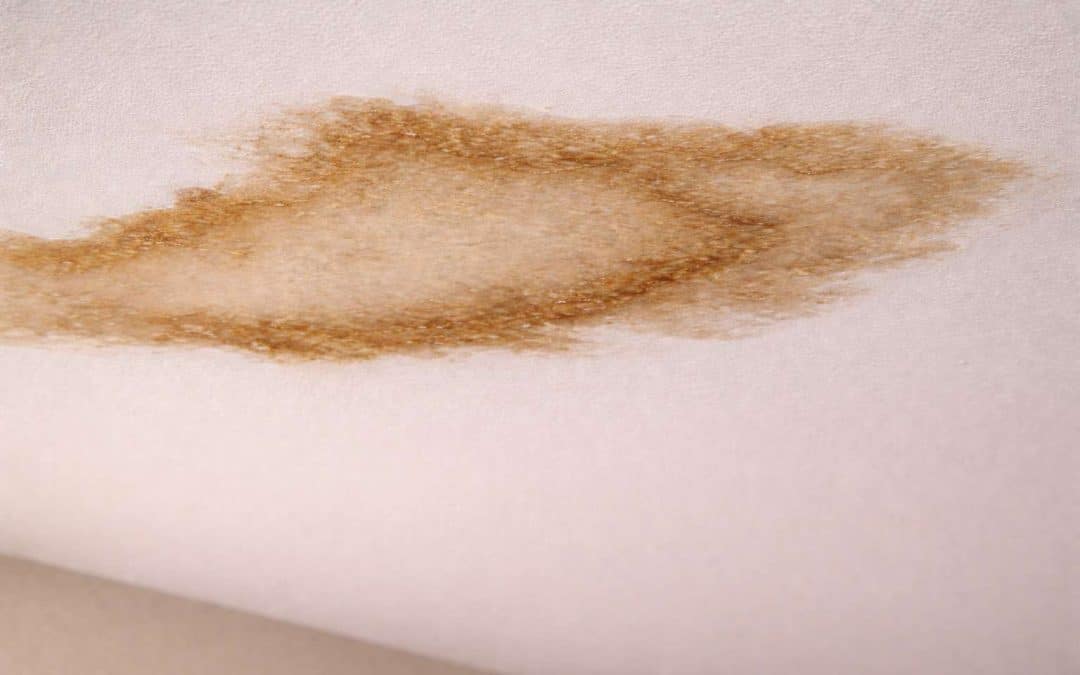
An air conditioner dripping water inside your home is never normal. A little drip outside? Fine. However, water pooling on your floor or staining your ceiling? That’s your AC asking for help. This guide walks you through why it’s happening, what to do right now, and when to call a pro. First, the good news: most of these problems are fixable. But here’s the bad news: ignoring them for a week in Florida can turn a $150 fix into a $3,000 ceiling repair.
Above all, turn your AC off before you do anything else. A dripping AC left running only makes things worse.
What Does It Mean When Your Air Conditioner Is Dripping Water?
Your AC pulls humidity out of the air while it cools. All that moisture turns into water, called condensate, and drains out through a small PVC pipe. In a healthy system, you never see it. The water flows from the indoor unit, through the drain line, and outside near the outdoor condenser.
When something blocks or breaks that system, the water has nowhere to go. First it backs up, then it overflows. Eventually, it ends up on your floor, in your ceiling, or running out of your vents.
An air conditioner dripping water means one of five things is wrong. Let’s walk through each.
The 5 Most Common Causes of a Dripping AC
1. A clogged condensate drain line
This is the #1 cause in Florida homes. Over time, algae, mold, and dust build up inside the PVC drain line. Unfortunately, our humidity makes it worse. Once the line clogs, water backs up into the drain pan and overflows.
You can often confirm this yourself. First, check the drain line exit outside your home. No water coming out while the AC is running? The line is probably clogged. Fortunately, most techs clear it in 20 minutes with a wet-dry vac.
2. A cracked or rusted drain pan
The drain pan sits under your indoor unit and catches condensate before it enters the drain line. Florida humidity rusts metal pans in as little as 5 years. Plastic pans crack from age or impact.
When the pan fails, water leaks straight down, onto your floor, into the ceiling below, or into the air handler cabinet. A good tech can swap it in an hour.
3. A frozen evaporator coil
This one surprises homeowners. A frozen AC coil? In Florida? Indeed, yes.
When airflow gets restricted or refrigerant runs low, the coil gets too cold and freezes into a block of ice. Then when you turn the AC off, all that ice melts at once. As a result, the drain pan can’t handle the sudden flood. Consequently, water spills everywhere.
Signs of a frozen coil: weak airflow, the AC running but not cooling, and visible ice on the copper lines near your air handler. In that case, turn the system off and let it thaw before calling a tech.
4. A dirty air filter
A filter clogged with dust, pet hair, and pollen blocks airflow over the coil. As a result, the coil freezes. Then that freeze eventually melts and dumps water. It’s the same story as #3, just with a different root cause.
Florida filters clog faster than most. Therefore, change yours every 30 days during cooling season. This is the cheapest fix on the list, and the easiest to prevent.
5. Disconnected or sloped-wrong drain line
Sometimes the drain line itself is the problem. If a plumber bumped it, an installer sloped it wrong, or a fitting came loose in the attic, water leaks from that break instead of flowing outside.
In Florida homes with attic air handlers, this often means water dripping through your ceiling. A tech can trace the leak, fix the slope, and reseal the line.
When Water Outside Your Unit Is Normal
Yes, but only outside. For instance, a small puddle near where the drain line exits your home is perfectly normal during cooling season. In fact, you might see 5 to 20 gallons a day in peak summer humidity. That’s just your AC doing its job.
However, what’s NOT normal:
- Water dripping from any vent inside the home
- Water on the floor around the indoor unit
- Stains on the ceiling below the air handler
- Water in the air handler cabinet itself
- Gurgling or bubbling sounds from the unit
Any of those mean the condensate system has failed. Call a tech.
What to Do Right Now If Water Is Inside the House
Take these five steps in order. The first three you can do yourself. The last two need a pro.
- Turn off the AC at the thermostat. Running a dripping AC makes the flood worse.
- Soak up the standing water. Use towels to prevent damage to floors, drywall, or electrical.
- Check your air filter. If it’s gray and clogged, replace it.
- Call for service if you see rust stains, ice, or ceiling damage. These point to pan failure, coil issues, or attic leaks, all pro territory.
- Schedule a drain line flush even after the fix. A clean line prevents the problem from coming back.
How to Prevent Your Air Conditioner from Dripping Water
Most AC water problems are preventable with basic maintenance. None of these take more than 10 minutes a month.
- Change your air filter every 30 days. Florida dust, pollen, and pet hair clog filters fast.
- Flush the drain line with vinegar monthly. Pour 1/4 cup of white vinegar into the drain line cleanout port. It kills algae and keeps the line clear.
- Check your drain pan each spring. Look for rust, cracks, or standing water.
- Keep the outdoor drain exit clear. Dirt, leaves, and critters can block the outlet.
- Book a yearly tune-up. A good tech checks the drain line, pan, and coil as part of the service. Our AC tune-up service costs $69.50 and catches these problems before they flood your home.
Why Florida Homes See This Problem More Often
Our climate makes AC drips far more common than up north. Four reasons why.
First, Florida humidity is brutal. Our ACs pull 3 to 5 times more water out of the air than systems in dry climates. More water means more chances for a clog.
Second, our AC runs 9 months a year. That’s 9 months of moisture flowing through the same drain line. Algae loves that.
Third, our air handlers usually sit in the attic. When a leak happens, water travels through your ceiling to reach you. By the time you see the stain, drywall damage is already done.
Fourth, salt air speeds up corrosion on drain pans near the coast. Homes in Atlantic Beach, Jacksonville Beach, and Ponte Vedra see rusted pans in half the time of inland homes.
Air Conditioner Dripping Water FAQ
Why is my air conditioner dripping water from the vents?
Water dripping from your AC vents usually means a frozen coil just thawed out, or your drain line is clogged and overflowing into the ductwork. First, turn the system off right away. Then check the air filter. If that looks fine, call a tech to clear the drain and check the coil.
Is it dangerous to keep running an AC that’s dripping water?
Yes. Running a dripping AC risks electrical damage, mold growth, and expensive ceiling repairs. Therefore, turn it off as soon as you spot water where it shouldn’t be. Most importantly, water problems are always cheaper to fix today than tomorrow.
Can I unclog my AC drain line myself?
Sometimes. For example, if you have a shop vac and can find the outdoor drain line exit, you can suction out a clog. However, never use compressed air or a hanger, both can damage the line. If you can’t find the line or the clog doesn’t clear in one try, call a pro.
How much does it cost to fix a dripping air conditioner?
A simple drain line flush runs $100 to $250. A new drain pan is $250 to $500 installed. A frozen coil caused by low refrigerant can run $300 to $1,500 depending on the root cause. Ignoring the leak and repairing water damage to ceilings or floors can top $3,000.
How often should I flush my AC drain line in Florida?
Once a month during cooling season. Pour 1/4 cup of distilled white vinegar down the drain line cleanout port. It’s cheap insurance against the most common cause of AC water damage in Florida homes.
Stop the Air Conditioner Dripping Before It Floods Your Home
An air conditioner dripping water is one of the most common calls we get from Jacksonville homeowners, especially from April through October. The sooner you act, the cheaper the fix. A clogged drain line handled today costs a fraction of ceiling repair next week.
Our team clears drain lines, replaces pans, and fixes frozen coils fast. We’re on call 24/7 across Jacksonville and the beaches. Contact our team today to stop the drip before it becomes a flood.