
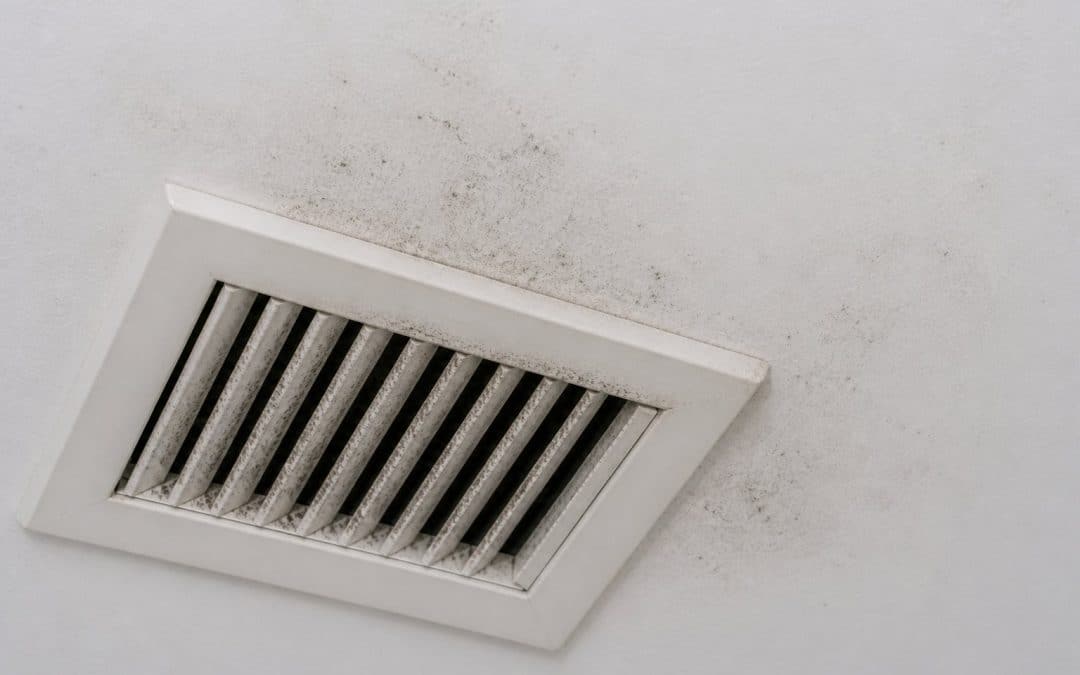
Mold can absolutely grow inside your air conditioner, and Jacksonville homeowners face this problem more than most. Your AC system creates the perfect environment for mold growth: it is dark, it collects moisture from the air, and it runs almost year-round in Florida’s heat and humidity. When mold takes hold inside the unit, it does not stay contained. Every time your system turns on, it pushes mold spores into the air in every room of your home. Understanding where it grows, what causes it, and how to stop it is the fastest way to protect your family and your system.
Where Does Mold Grow Inside an AC System?
Mold does not grow randomly inside your AC. It grows wherever moisture collects and sits. In Jacksonville’s climate, that means several specific locations:
- The evaporator coil: This is the most common location. Warm air passes over the cold coil and moisture condenses on it constantly during every cooling cycle. Dust and debris collect on the coil surface alongside that moisture, giving mold exactly what it needs to establish itself.
- The drain pan: Water drips off the evaporator coil into the drain pan beneath it. If the drain line is slow or clogged, water sits in that pan for extended periods. Standing water in a warm, dark space is one of the fastest ways to grow mold.
- Inside the air handler cabinet: The cabinet housing the air handler stays cool and damp during operation. Mold can grow on the interior walls and insulation, especially in older systems or those that are not regularly maintained.
- The ductwork: Once mold establishes itself in the air handler, spores travel through the duct system and can colonize the ducts themselves, particularly at joints and bends where airflow slows down.
- The air filter: A clogged, moisture-laden filter is a direct entry point for mold into the rest of the system. This is a separate but related issue covered in detail in our guide on black mold on air filters.
Why Jacksonville Homes Are More at Risk Than Most
Jacksonville’s climate gives mold every advantage it needs. Florida’s relative humidity regularly exceeds 80 percent during summer months, and the rainy season from June through September keeps moisture levels elevated for months at a time. Your AC system runs almost continuously during this period, meaning the evaporator coil stays wet, the drain pan stays active, and the interior of the air handler stays damp far longer than in drier climates.
Furthermore, Jacksonville’s AC systems run 9 to 10 months per year. That extended runtime means more condensation cycles, more moisture moving through the system, and more opportunity for mold to establish itself. A system that would stay relatively clean in a northern climate can develop a significant mold problem in Jacksonville within a single summer if maintenance gets skipped.
According to the EPA’s guide on mold and moisture, keeping AC drain pans clean and drain lines unobstructed is one of the most important steps in preventing mold growth in homes, especially in humid climates. In Jacksonville, that guidance is not optional.
Warning Signs Something Is Growing in Your System
Mold inside an AC system often goes undetected for months because it grows in hidden areas. Watch for these signs:
- Musty or stale odor when the system runs: This is the most reliable early warning. If the smell appears when the AC turns on and fades when it shuts off, mold inside the unit or ductwork is almost certainly the cause.
- Visible dark spots around vents or registers: Black or dark green spots near air vents are a sign that mold has already spread into the ductwork and is being deposited at the supply registers.
- Allergy or respiratory symptoms that improve when you leave home: If household members experience coughing, congestion, itchy eyes, or worsening asthma symptoms at home but feel better when away, mold circulating through the AC system is a likely cause.
- Increased dust or unexplained buildup around vents: Mold spores travel with airborne particles. Heavy buildup around vents can indicate elevated spore counts moving through the system.
- Water stains near the air handler or drain pan: Water overflow from a clogged drain pan is both a sign of a current moisture problem and a warning that mold conditions are already ideal inside the unit.
What Creates the Problem in the First Place?
Mold needs three things to grow: moisture, a food source, and warmth. Your AC system provides all three. The specific causes that accelerate mold growth in Jacksonville AC systems include:
- A clogged condensate drain line: When the drain line cannot clear water from the drain pan, water backs up and sits inside the unit. This is the single fastest way to create a mold problem inside an AC system. Learn more about why AC drain lines clog in Jacksonville and how to prevent it.
- Dirty evaporator coils: Dust and debris on the coil surface give mold spores an organic food source alongside the constant moisture from condensation. Dirty coils are one of the most common preconditions for mold growth inside air handlers.
- Oversized AC systems: An oversized unit cools the home quickly and shuts off before completing a full dehumidification cycle. Short cycling leaves moisture in the air and inside the unit, creating ongoing conditions for mold growth.
- Infrequent maintenance: Coil cleaning, drain line flushing, and drain pan inspection are the primary defenses against mold inside an AC system. Skipping annual or semi-annual maintenance allows moisture and debris to accumulate unchecked.
- Leaky ductwork: Gaps in ductwork allow warm, humid air from attic spaces to enter the cooler duct system. That temperature difference causes condensation inside the ducts, creating a secondary mold environment beyond the air handler itself.
Is Mold in Your AC Dangerous?
Mold in an AC system is more dangerous than mold in a bathroom or basement because it actively distributes spores throughout your home. Every cooling cycle becomes a delivery system for mold spores into every room. According to the CDC, mold exposure can cause nasal irritation, coughing, wheezing, and eye or skin irritation in otherwise healthy people. For those with asthma, mold allergies, or compromised immune systems, the effects can be significantly more severe. Children and elderly household members face heightened risk from prolonged exposure.
The risk compounds over time. Mold in an AC system rarely stays contained to one location. It spreads through the ductwork, deposits on interior surfaces, and can eventually reach walls and insulation if moisture issues go unaddressed long enough.
How Do You Get Rid of It?
Mold inside an AC system is not a DIY job. The evaporator coil, drain pan, and interior of the air handler require professional cleaning equipment and EPA-approved antimicrobial treatments. Attempting to spray household bleach on coils can corrode the metal and cause permanent damage to the system. A licensed HVAC technician will clean the coil, flush the drain line, treat the interior surfaces of the air handler, and inspect the ductwork to determine whether mold has spread beyond the unit itself.
Florida Air Flow’s indoor air quality services include air handler inspection, coil cleaning, drain line clearing, and UV light sanitizer installation — one of the most effective long-term defenses against mold growth inside AC systems. UV lights installed near the evaporator coil kill mold spores continuously as air passes through the system, preventing regrowth between maintenance visits.
How Do You Prevent Mold From Coming Back?
Prevention is straightforward once the immediate problem is addressed:
- Schedule professional maintenance twice a year. Coil cleaning, drain line flushing, and drain pan inspection every spring and fall stop mold conditions before they develop.
- Change your air filter every 30 days during Jacksonville’s heavy cooling season. A clean filter reduces the dust and debris that feed mold on coil surfaces.
- Consider a UV light sanitizer. Installed inside the air handler near the evaporator coil, UV lights kill mold spores and bacteria continuously without chemicals.
- Control indoor humidity. Keeping indoor humidity between 40 and 55 percent removes the moisture environment mold depends on. A whole-home dehumidifier works alongside your AC to maintain that range even during Jacksonville’s wettest months.
- Have ductwork inspected for leaks. Sealing leaky ducts eliminates one of the primary pathways for humid attic air to enter the system.
Florida Air Flow Keeps Jacksonville AC Systems Clean and Healthy
Florida Air Flow serves Jacksonville, Orange Park, Neptune Beach, Atlantic Beach, Ponte Vedra, St. Johns, Nocatee, Fernandina Beach, and surrounding Northeast Florida communities. Our licensed technicians inspect air handlers, clean evaporator coils, clear drain lines, and install UV sanitizers that prevent mold from coming back. We are available 24/7 with same-day scheduling.
If you smell something musty every time your AC turns on, do not ignore it. Contact Florida Air Flow today to schedule an inspection and find out exactly what is growing inside your system before it spreads further.